A Guide To Resource Forecasting For Project Managers

Resource Forecasting

Tired of guessing your project labor needs only to end up short-staffed or over budget? Take control of your resource management with resource forecasting, and start making calculated data-driven decisions. 

Without forecasting your resources, you are acting blind. Resource forecasting allows business owners, CEOs, and project managers to make smart decisions and set themselves up for success when allocating team members to various projects. Forecasting, when done well, is valuable for prepping for new projects and optimizing current projects. Read on to learn how to effectively forecast resources and the best software options for resource management.

Streamline your resource forecasting with auto-generated resource plans for all your projects.

What We’ll Cover

What Is Resource Forecasting?

Resource forecasting is any method or process you use to predict your business’s future resource needs. Forecasting is one of the elements of resource management. Resource forecasting helps project managers allocate resources effectively to ensure project goals can be met in the allotted time frame. Effective resource management forecasting also helps avoid delays and employee burnout. It allows for balanced workloads to help you meet profitability goals.

Resource forecasting involves analyzing data from various sources, such as sales pipelines and timesheets, to gain insights into how resources have been used on past projects and how they are currently being used. This analysis guides predictions for future resource use. Many businesses use resource management software to automate forecasting and ensure accuracy.  

Benefits Of  Resource Forecasting

The benefits of resource management forecasting cannot be overstated. It can optimize project timelines, improve team efficiency, and minimize the risks of resource shortages or over-allocation.

For many businesses,  resources are one of the most significant assets but one of the most substantial costs. Improved productivity and resource utilization can save a company money. It’s especially key to forecast resources when you want to grow your business to ensure optimal growth without overloading your employees or spending money you don’t have.

Better Project Planning

Forecasting helps project managers plan tasks, timelines, and resource needs more effectively. This leads to fewer surprises and smoother project execution. Because many projects are complex and involve cross-functional teams, sophisticated resource forecasting techniques are needed to plan and manage them.

A good forecasting model will let project managers, finance leaders, and executives see a clear, big-picture view of resources in different projects and allow them to zoom in on specific talent, projects, or other details.

Using Team Members Where They’re Needed Most

Forecasting ensures that employees are assigned to tasks that match their skills and expertise. This improves productivity and job satisfaction. With resource forecasting software, you can easily move team members around while forecasts are updated automatically. You can then maximize utilization quickly and easily. Moving employees around internally is usually more cost-effective than hiring someone new, and it could reinvigorate previously underutilized employees. 

Avoiding Staffing Issues

Forecasting helps project managers avoid overstaffing or understaffing by identifying potential gaps in advance. Employees whose skills are well-utilized and who do not get overworked or under-scheduled are more likely to stay with the company long-term. Employee retention saves money in costly hiring and onboarding processes and reduces stress on teams, helping keep their projects on track.

Even with the best resource utilization and employee satisfaction, you are bound to lose a vital team member at some point during one of your projects. Forecasting lets you plan ahead for those worst-case scenarios. 

Keeping Teams Productive

Effective forecasting enables balanced workloads. This reduces the likelihood of burnout among team members as each individual is given the right amount of work so that they remain focused and motivated.

Productive teams are more satisfied with their jobs which aids in maintaining morale, further increasing productivity. This positive momentum can lead to impressive innovation, collaboration, and project accomplishments. Also, because forecasting makes it easier to track KPIs, you can see your return on investment clearly.

Resource forecasting and tracking empower project managers with real-time performance data.

How To Forecast Resources

To forecast effectively, you need to know what resources you have and the best ways to allocate them. This starts with assessing your team’s current capacity and identifying future project needs so that you can match employees to the incoming work that best suits their availability, skills, workload, and interests. When done well, forecasting allows for continuous levels of productivity and positive project margins while honoring employees’ time off requests, navigating skill gaps, and adapting to issues as they arise.  

Assess Current Team Capacity

The first step to forecasting resources is evaluating the current workload and availability of team members. This is also referred to as capacity planning. During this phase, focus on getting buy-in from every single team member so that they are motivated to provide accurate information about their availability and workload. Accurate data from each team member is essential to accurate forecasting.

You can also use data from your CRM and time-tracking software to help you understand capacity. If resource forecasting is new to you, this may require going back through data from previous years. Then, get familiar with the current industry trends for insights into the demand for your products or services. Resource forecasting software can help predict anticipated demand in the future, and the earlier you can spot shifts in the market, the more likely you will be able to respond appropriately. 

Identify Future Project Needs

Forecast resource needs based on project goals, scope, and timelines. Projects must be clearly defined before accurate forecasting can happen. When prioritizing resources, companies should first focus on the most important, urgent, and profitable tasks. Breaking down complex tasks into smaller sub-tasks can help estimate what resources are required. 

Scenario planning is beneficial to further illuminate project needs. Use resource management software to play out various positive and negative scenarios with mock projects. Understanding and planning for future project needs this way can also reveal whether a centralized, local, or hybrid resourcing model is best for your business. Lastly, consider using customer surveys to discover future client needs.

Account For Employee Availability

When forecasting for resources, factor in vacation, sick days, or other commitments. Scheduling is often a dreaded task among managers and, therefore, isn’t given the careful time and consideration it needs to be done well. Creating accurate schedules is key to avoiding resource conflicts and employee burnout or wasting money on unnecessary labor.

A centralized resource management plan can streamline scheduling and minimize errors. Don’t forget to take into account fluctuations in demand when scheduling employees for various projects. 

Plan For Skill Gaps

Identifying skill gaps lets project managers address potential challenges in advance. This could be days or weeks when there was more work to do than available workers or when team members were being underutilized.

Underutilization can be remedied by launching new projects and training employees as needed to ensure they are being fully utilized. If there are certain tasks that only one or a few employees know how to complete, that could lead to potential bottlenecks. Consider training others to do those tasks or hiring new team members with the necessary skills already.

Track And Adjust As Projects Evolve

While having a clear, complete plan for any project is vital, it’s also vital to be flexible. Inevitably, something unexpected will happen that affects the project’s progress. Maybe a team member quits abruptly, or a supply shortage means working overtime to find an alternative. Be ready to shift team members and duties as needed. 

To be ready to make those shifts, closely monitor resource usage and update forecasts as projects progress; don’t wait until there’s an issue. Keeping forecasts updated ensures project managers can adapt to changes without disrupting timelines. They can also identify potential problems or inefficiencies early on and make minor adjustments to avoid larger challenges down the line. 

See resource forecasting software in action with a free demo from Parallax

Tips On Forecasting In  Resource Management

Resource management forecasting can feel overwhelming if it’s all new to you. While it’s a lot to take in, staying proactive and learning to prioritize key tasks will help things fall into place. Use the actionable tips below to improve your resource forecasting, gracefully adapt to changes, and maintain a competitive edge.

  • Centralize resource management: Streamline the forecasting process to build a solid foundation that could lead to adopting a more localized or hybrid model in the future. This will ultimately lead to better alignment within and across teams.
  • Think simplicity every step of the way: Cumbersome processes or spreadsheets will likely go unused or be used incorrectly, causing inaccurate forecasting. Simplicity helps ensure forecasting software is used with efficacy and minimizes chances for errors.
  • Regularly communicating with team members: Buy-in from all team members is vital to accurate forecasting and overall effective resource management. Set up a consistent meeting schedule that works for your team, whether it’s daily or weekly check-ins.
  • Embrace new technologies and train employees on them: Incorporating AI-driven analytics further enhances accuracy by predicting future talent demands based on industry patterns.

How Can You Use Resource Management Software To Forecast  Resources?

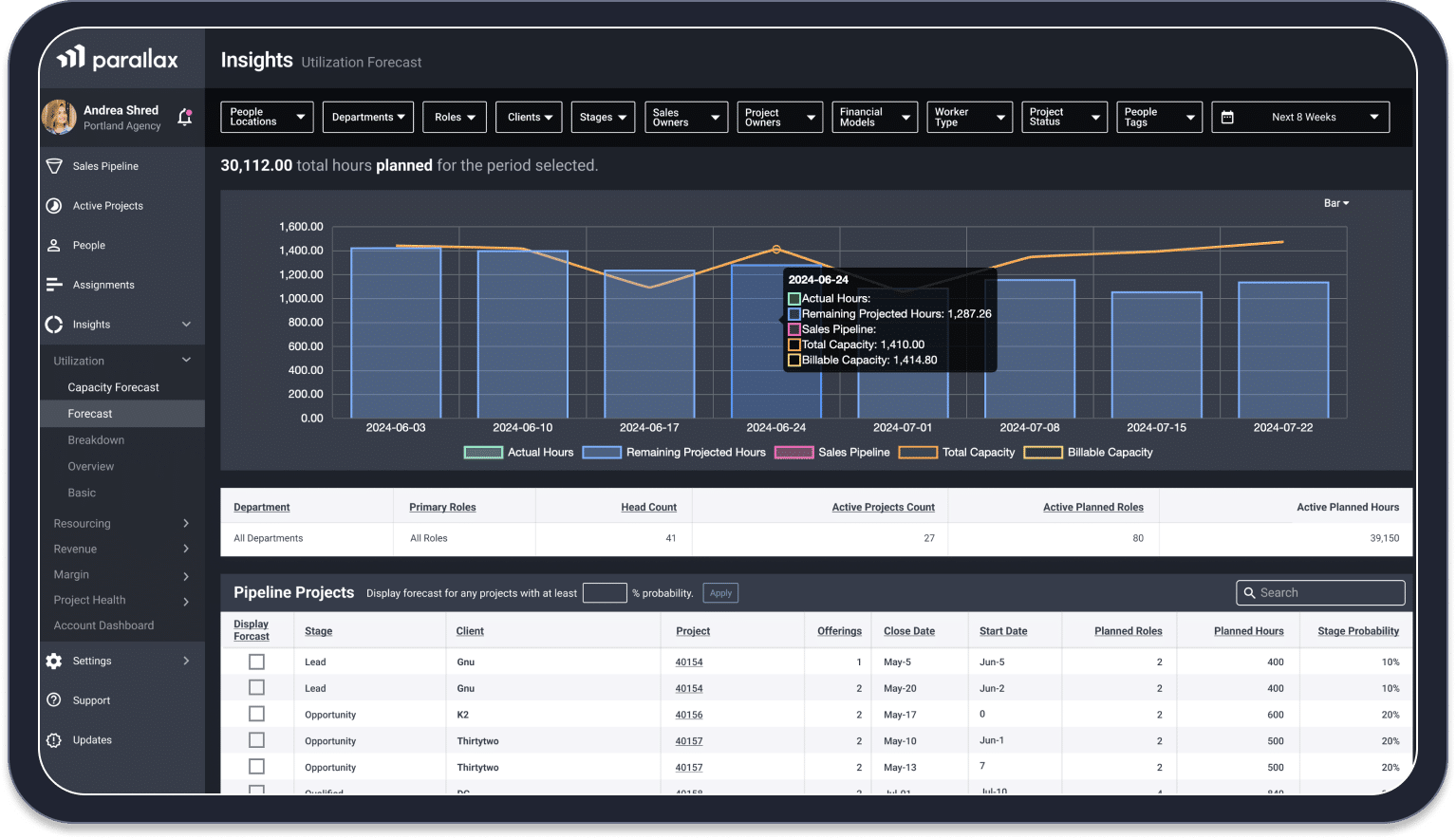
Parallax’s resource management software optimizes the forecasting process by offering real-time insights into availability and workloads. We unify executives, delivery, and sales to determine resource needs. Our user-friendly dashboard puts access to sophisticated data and resource forecasting at your fingertips. It’s customizable and easily shareable with all team members and other stakeholders.

For example, you can filter available talent by skill set to see how you can best leverage current employees and find talent gaps in your workforce for data-driven hiring. Plus, our software gets smarter with each project you complete, learning from the insights gained from previous projects to hone forecasting accuracy.

Book a Demo to See Parallax’s Resource Management Software

Effective resource forecasting is crucial when juggling multiple projects, growing your business, and maintaining profitability. It’s all about using the right data to predict future demand, project needs, and your team’s capacity. Those predictions are then used to guide  resource allocation and utilization.


New technologies have made all these elements of resource management a lot easier! Say goodbye to guesswork and confusing spreadsheets when trying to tackle resource forecasting. See how simple and easy forecasting can be when you use Parallax’s resource management software. Schedule your no-pressure demo today to discover how Parallax can transform your resource forecasting, allocation, and utilization efforts.
3 Types Of Resourcing Models For Resource Management

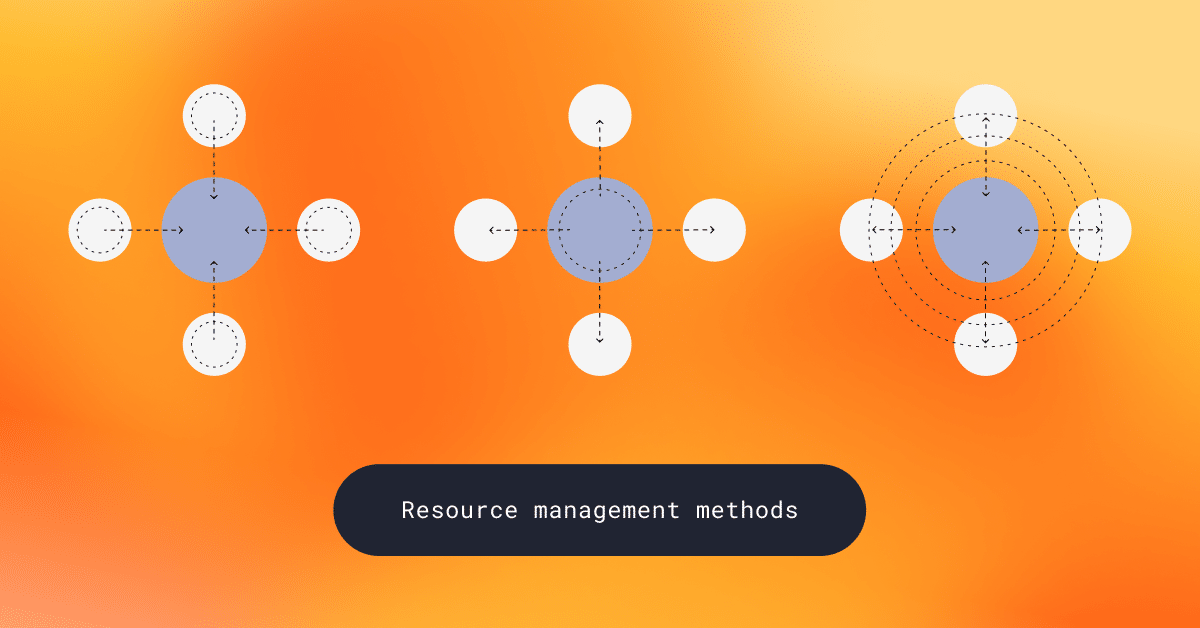
3 resourcing model example image

Having a clearly defined resourcing model for resource management can level up your business operations, increasing efficiency, productivity, and employee retention. This blog can help you find the best resourcing model for your company. 

There are different types of resource models. One may suit your particular needs more than others, so it’s crucial to understand the nuanced differences between them. Below, we cover the pros and cons of the three main resource management models and tips on choosing and implementing one.

Transform a resource model into a customized resource management plan with Parallax.

What We’ll Cover

Types Of Resource Management Models

A resource model defines how a business organizes, allocates, and manages its human resources. Without a clear model, organizations often end up wasting resources or experiencing resource shortages, both of which use company time and money inefficiently. No matter what kind of products, services, or productized services your business offers, you can benefit from adopting a resource management model.

The three main resource management models are the centralized model, the local or decentralized model, and a hybrid model that combines centralized and local management approaches. These three human resource management models differ in terms of control, flexibility, and resource allocation. Once you understand each model, you can choose the one that best aligns with your business’s operations, goals, and needs.

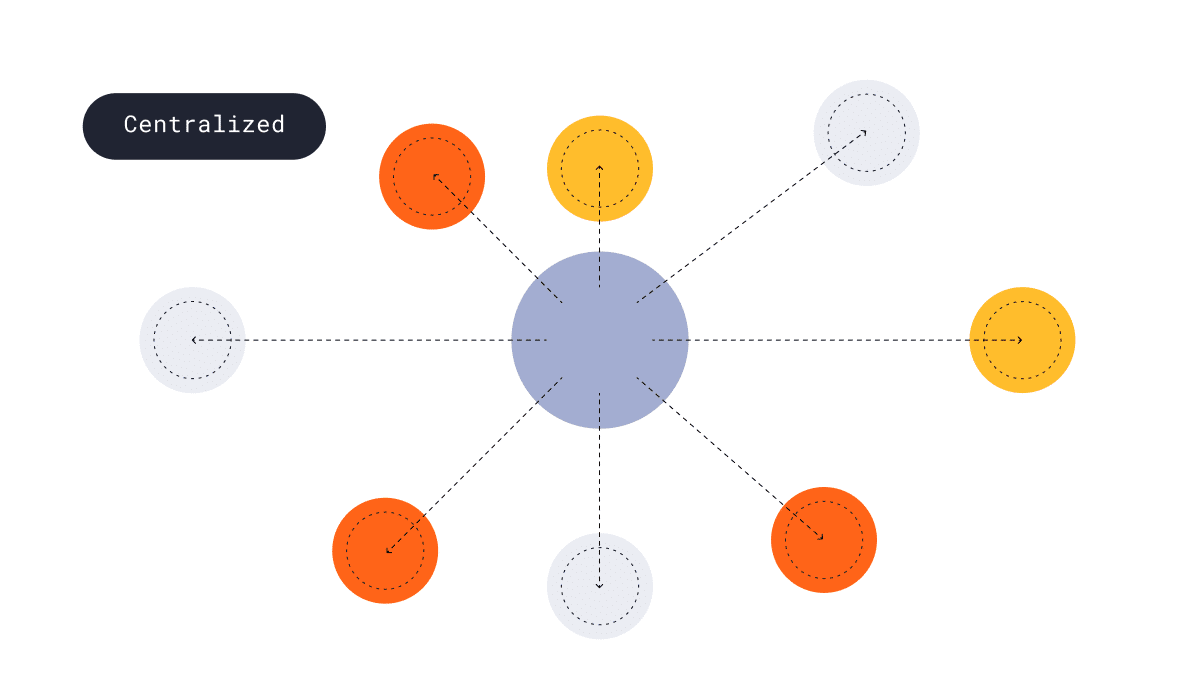
Centralized resourcing model example image

Centralized Resource Model

A centralized resource model has a small or central group or individual that makes all human resource management decisions. This central authority could be an entire resource management team or a single manager or executive. 

Advantages of the centralized model:

  • Makes it easier to see all resources at once
  • Increased visibility improves resource allocation
  • Can help you stay within your budget and project timeline
  • Improves capacity planning so you can effectively plan ahead
  • Ensures employees are perfectly utilized so no one gets bored or burnt out

Challenges associated with the centralized model:

  • Little to no back-up options in case a part of the central authority fails
  • Less collaboration because decision-making is highly concentrated in a small group
  • Fewer opportunities for input from employees

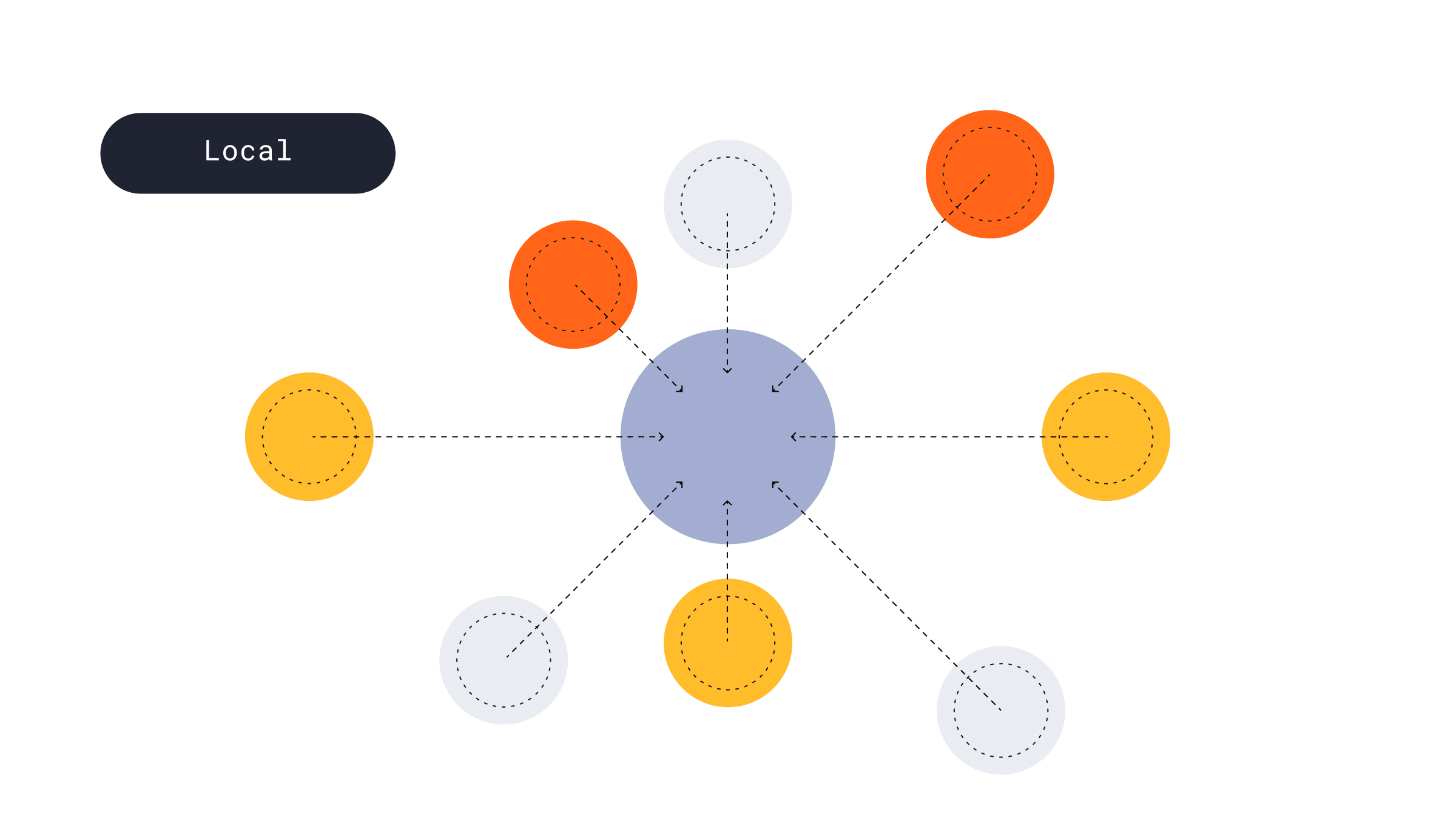
Local resourcing model example image

Local Resource Model

The local resource model, sometimes called the decentralized model, is the opposite of the centralized model. In a local resource model, individual teams handle their own resource management. Instead of a central authority, the responsibility of resource management is distributed between teams or departments.

Advantages of the local model:

  • Promotes collaboration
  • Increased collaboration can lead to more innovation
  • Aligns with democratic values and systems
  • Increases employee buy-in
  • If one part fails, the whole system does not fail

Challenges associated with the local model:

  • May lead to less cross-department collaboration
  • Less standardized systems, policies, and procedures 
  • No resource management happening at the whole organization level

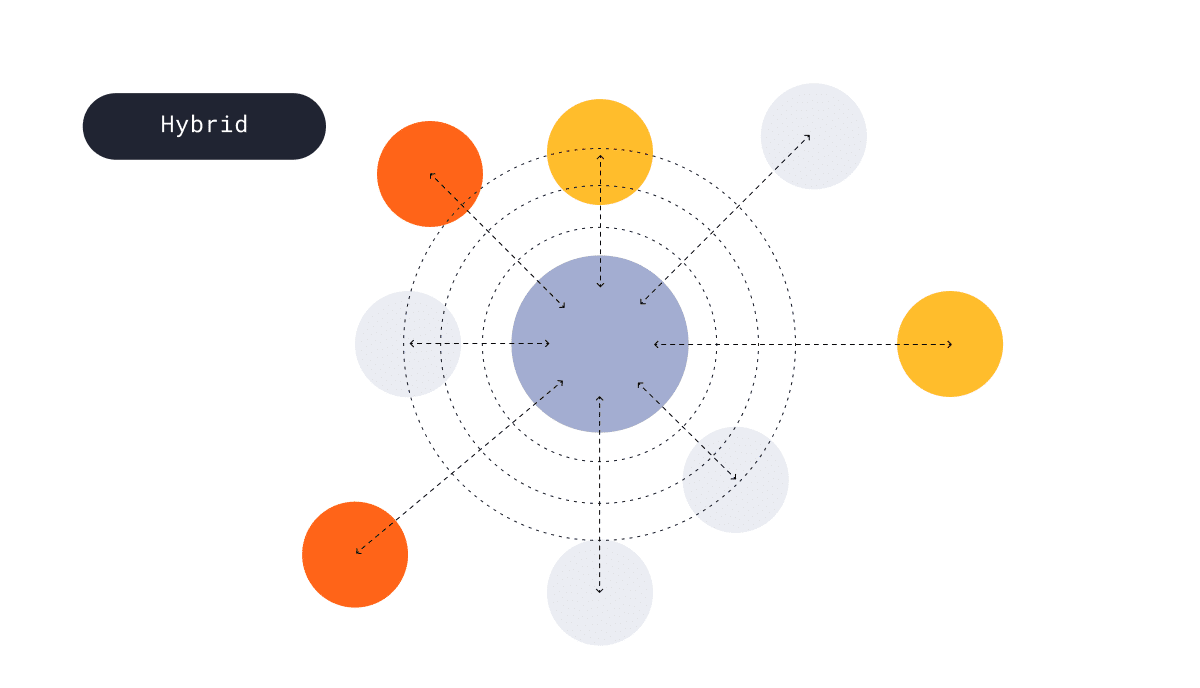
Hybrid resourcing model example image

Hybrid Resource Model

The hybrid resource model is a combination of the centralized and decentralized models. Individual teams hold some responsibility for their own resource management, while some decisions are made by a central authority and passed down. The key to effectively leveraging the hybrid model of resources is to determine which specific resource management tasks are best completed at the local level and which are best completed at the central level.

Advantages of the hybrid model:

  • Has the benefits of both the local and centralized models
  • Can alleviate some of the challenges of the local and centralized models
  • Provides the most flexibility in resource management
  • Promotes collaboration within and across teams 

Challenges associated with the hybrid model:

  • Can be complex and difficult to implement
  • Can lead to duplicate work if systems and communication are inadequate
  • Less consistency in decision-making than in the centralized approach

Book a free demo with Parallax to see how our software can help you incorporate a resource model.

Which Model Of Resources Is Right For Your Business?

Every model of resources has benefits and challenges. Evaluate each one with your business’s goals and unique culture in mind. As you are evaluating each resource model, also consider the following factors:

  • The size of your organization
  • The industry you operate in
  • Your operational complexity
  • The team structures you use 

Smaller organizations like agencies may be able to more easily implement and benefit from a decentralized resource model. A local model can promote growth for a newer business or an established small business looking to expand. Medium-to-large businesses will likely have more project success with a centralized or hybrid model. Multinational businesses should consider the hybrid model for the most flexibility between locations.

How To Make A Resource Model Into A Process

After you’ve illuminated which resource model you want to use, it’s time to implement it. While the structure of these models is clear, the way to make the structure fit your organization may not be so clear. Implementation involves transitioning your chosen resource management model into an actionable process by defining workflows, roles, and responsibilities. 

Download Parallax’s strategic forecasting e-book to get advice and tools for weekly and long-term resource planning. Once you have a system set up, it’s essential to regularly monitor it to ensure the model is functioning efficiently. Technologies like resource planning software streamline this process and make efficient resource management accessible to any organization. 

See Parallax’s Resource Management Software

Human resources are the single most important piece of any project, and putting the right people in the right roles can transform your organization. Using a systematic approach to human resource management with a defined resource model is the best way to ensure success. Maximize the benefits of resourcing models with Parallax’s resource management software. Agencies and studios that use our software see a 107% increase in revenue per billable employee.

Parallax’s software pairs well with any of the resource models. Teams and departments can access real-time utilization insights to empower them to make adjustments to optimize their performance. Those in charge of a resource management plan can also see all active projects to keep an eye on budgets, timelines, and resource utilization across departments and update resource plans to meet financial targets as needed.

Book a demo today to see Parallax in action.

How To Create A Comprehensive Resource Management Plan

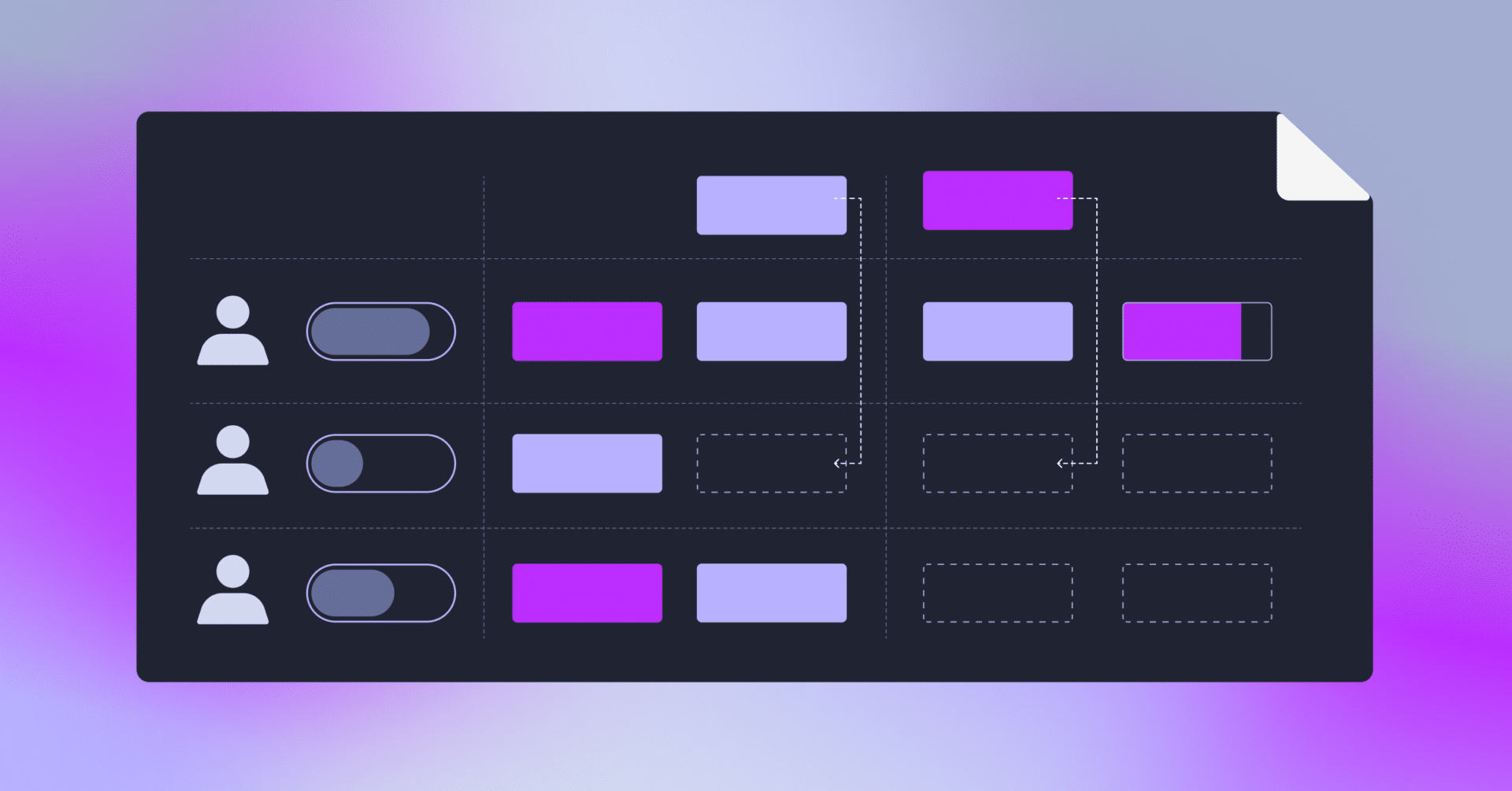
Resource Management Planning Graphic Example

A resource management plan isn’t just a checkbox for your project kickoff; it’s the blueprint for aligning your people, timelines, and budgets to work in harmony. Without a solid plan, even the strongest team can collapse under shifting demands and mismatched priorities. But there is a way to build a foundation for success that’s both balanced and forward-looking: a resource management plan.

Resource management plans help businesses ensure their teams are utilized effectively and protected from burnout while keeping project goals on track. From analyzing skill sets and availability to forecasting capacity and margins, a well-crafted plan is the secret to healthier projects and happier teams.

Discover how to optimize resource planning for your projects with Parallax’s resource management software.

What Is A Resource Management Plan?

A resource management plan is a structured approach to allocating, scheduling, and utilizing resources such as employees, tools, and budgets, to meet project and organizational goals. It clarifies who is doing what, when, and at what cost; ensuring that teams maintain healthy utilization. 

Using resource management plans, organizations can balance workloads, maintain efficiency, and align their workforce with strategic priorities. It’s the key to unlocking greater productivity, reducing risks, and improving project outcomes.

Parts Of A Resource Management Plan

A well-developed resource management plan is built on several key components. The different parts of the resource plan work together to provide a clear roadmap for managing your resources effectively and strategically. Prioritize only one, and raise risks of running into roadblocks in delivery. Incorporate them all, and you’re set up for a successful project. 

Let’s look at the different parts of a resource management plan and how they work together to create a seamless project resource plan. 

Resources And Resource Data

Identifying available resources and documenting their skills, roles, and responsibilities is the foundation of any resource plan. Accurate data on team members’ expertise and capacity helps inform what assets can be utilized and where there may be gaps. 

Resource Availability

Resource availability considers working hours, time off, and current and forecasted capacity. Tools like capacity forecasting software can help managers plan and consider upcoming project assignments when developing resource plans. This allows them to strategically match resources to projects, ensuring teams stay productive without risking employee burnout or underutilization.

Budget And Project Scope

Budget goals and project objectives should be considered to guide how resources are assigned. Aligning resourcing goals with project goals helps avoid overspending and ensures project targets like margin and scoped hours are met without sacrificing quality or missing deadlines. Using a robust resource planner, managers can see how their resource plans affect project goals and adjust accordingly. 

Learn how Parallax simplifies resource management for digital agencies.

How To Create A Resource Management Plan

Crafting a resource management plan requires strategic planning and monitoring. With the right approach, your resource management plans will help to reduce the risk of potential bottlenecks and support timely, quality project delivery. 

Assess Resources And Identify Gaps

Identify and document your current resources, including roles, skills, and capacity. Create a clear catalog that organizes this information, making it easy to match team members to tasks based on their expertise. This step also helps identify gaps in capacity or skill sets on your team when planning a project. 

Define Project Requirements 

Outline the specific roles and timeframes needed for your project. For instance, you might need a web designer for 6 hours daily from February 2nd to February 15th. This step essentially creates a template for your resource plan, laying out what roles are needed and when to successfully meet project deadlines and milestones. 

Allocate Resources Based on Goals 

Assign team members to roles by matching their availability and skills to project needs. Align resource allocation with broader goals, such as maintaining utilization targets (e.g., 80%) or improving project margins. Use data from past projects and capacity plans to anticipate demand and ensure flexibility for unexpected shifts. This approach balances immediate project needs with long-term business objectives.

Monitor Progress and Adjust as Needed

Once your plan is in place, track metrics like utilization, project progress, and team capacity. Be proactive in adjusting allocations to solve for changes in project scope or shifting priorities. Regular monitoring ensures that your resource plan continues to support your projects.

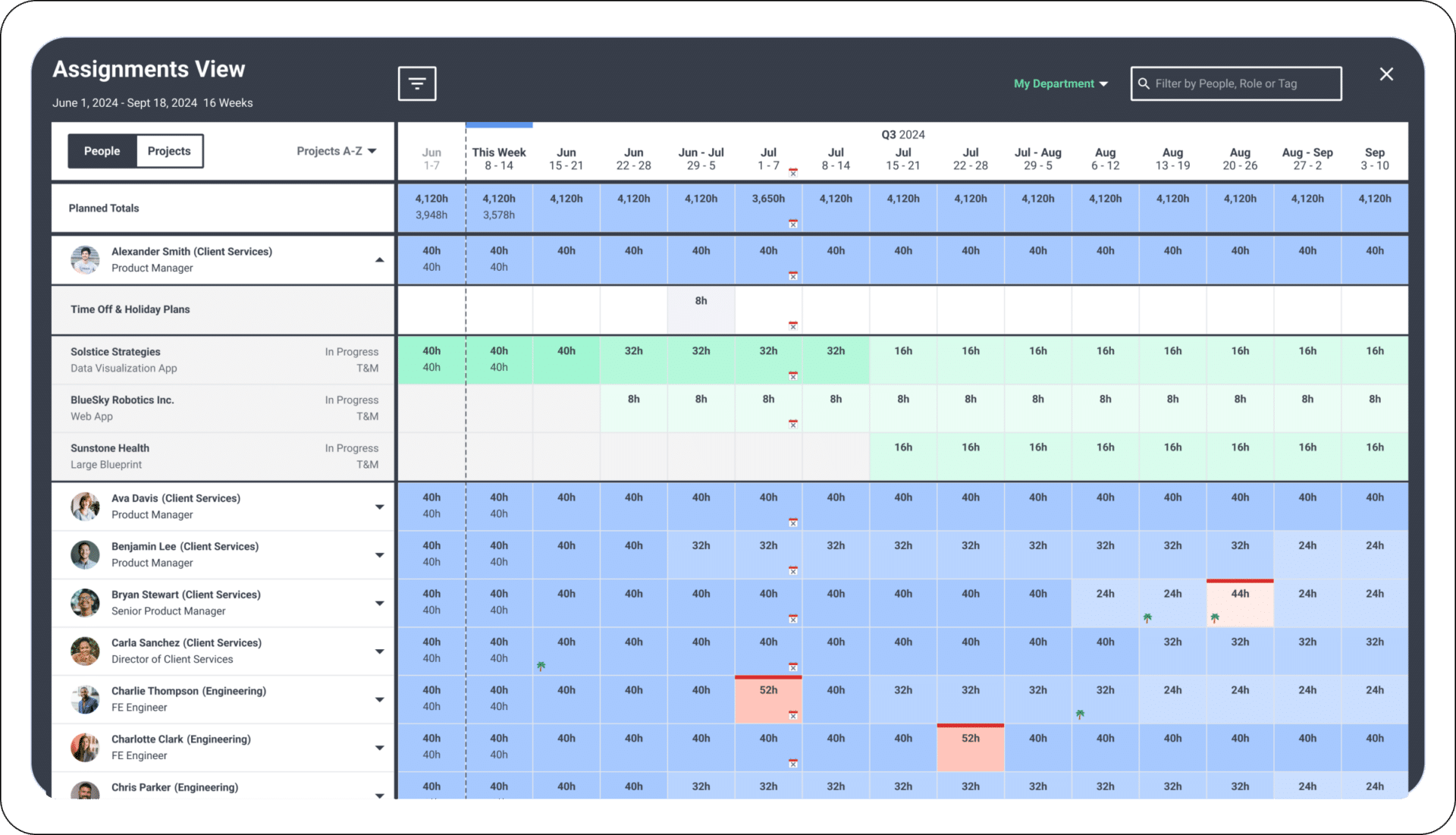
The resource management plan sample below can give you an idea of how resource management software can help organize and create clear visibility into the makeup of your resource management plans. 

plan resource management

Read how digital agencies use Parallax to streamline their resource management plans.

Resource Management Plan Example

Consider Vokal, a digital marketing agency that struggled with resource allocation and project scoping. By implementing resource management planning initiatives, Vokal gained visibility into team capacity and resource needs to help them accurately scope client projects. 

Their plans can now identify needed roles, track team capacity, and align resources with project priorities. This approach helped them make strategic hiring decisions, scope projects more accurately, and increase their project margins. 

Why Are Resource Management Plans Important?

Resource management plans are essential to developing, maintaining, and providing feedback for efficient operations. They help organizations avoid common pitfalls during delivery like last-minute hiring or project delays. By bringing together key parts of project delivery including available resources, project needs, budgets, and capacity, resource management plans help organizations: 

  • Create more accurate project scopes
  • Improve team efficiency 
  • Reduce burnout risk and underutilization of resources 
  • Anticipate potential bottlenecks 
  • And monitor project health 

Next step: How to level up your resource management 

Book A Demo To See Parallax’s Resource Management Software

Software specifically built for resource management can help set up and streamline your resource management and planning processes. Parallax’s resource management tool provides clear visibility into how managers can strategically allocate resources and align plans with project and company goals.

Learn how agencies see a 5% increase in utilization on average after adopting Parallax for resource planning. Book a Parallax demo.

What is Resource Management?

funnel

If you’re a CEO, head of operations, or project manager you’ve likely been asked, “What is resource management?” Efficient human resource management is vital to keeping your business running smoothly, reducing costs, and increasing profitability.   

Are you tired of having too many resources contributing to unplanned expenses or having resource shortages disrupting daily operations? Intentional resource planning and management allow you to stop reacting and start being proactive with your human resource use. This guide will explain resource management, why it matters, and how to do it well.

Take charge of your human resources use with Parallax’s resource management software.

What We’ll Cover

What Is Resource Management?

Resource management involves planning, allocating, and overseeing a company’s resources. What are resources in a business? In this context, resources mean employees, but depending on your industry, they can also refer to tools, equipment, and time. Resource management encompasses any processes and techniques used to plan, track, and manage resource use. It aims to determine the most cost-effective combination of resources and how to use them.

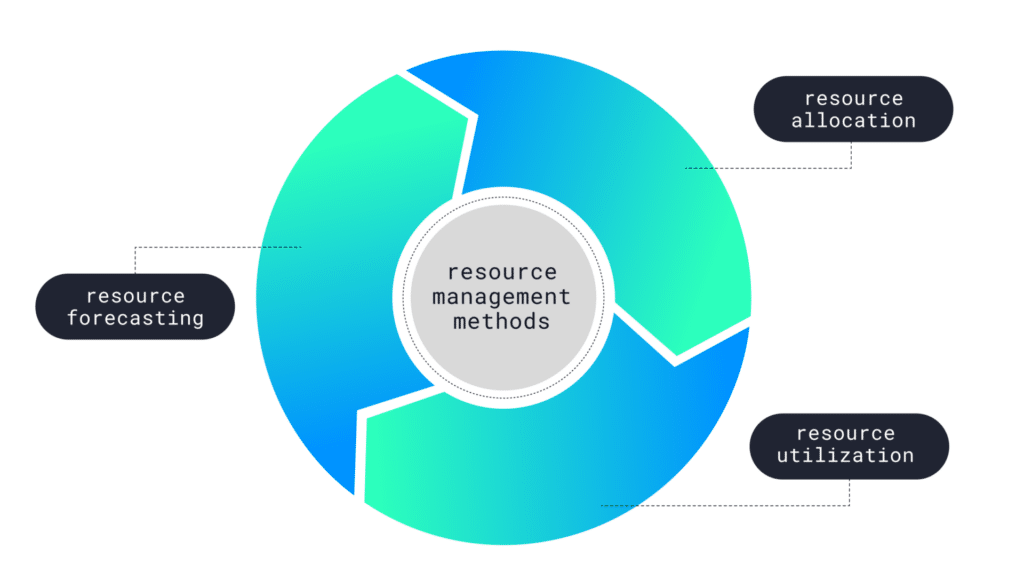
There are several different resource management techniques that companies can leverage based on their needs and goals:

  • Resource allocation: Having a list of employees and assigning when and what role they will have for different projects.
  • Resource utilization: Analyzing how resources are currently being used, overused, or underused, and offering suggestions to improve the efficiency of resource use.
  • Resource forecasting: Making predictions about what resources will be needed in the future to project, plan, and prioritize efficiently.

Why Is Resource Management Important?

Why is it important to manage resources thoughtfully? An efficient resource management plan helps maximize productivity, improve project outcomes, and increase your business’s return on investment (ROI). 

Employee shortages can halt operations, potentially causing missed deadlines, other employee burnout, upset customers, and revenue loss. On the other hand, too many employees who don’t have enough work can lead to underutilization. Resource managers look for the sweet spot where there are enough employees who can do the required work.

Resource Management Benefits

Any type of business can benefit from resource management, from startups to multinational companies and storefronts to digital service agencies. By using a systematic method for managing resources, you can gain more control over your business’s costs and ROI. This happens through optimizing the allocation and utilization of resources. 

Effective resource management ensures projects follow the set timeline and budget, improving project efficiency and increasing client satisfaction. Optimizing human resources can also improve team collaboration and communication, increase productivity, and minimize unnecessary labor costs. Let’s explore each of these benefits in more detail. 

Improved Project Efficiency

Resource management improves project efficiency by ensuring the right resources are available when they are needed and that they are utilized effectively. This leads to faster project completion and fewer delays or bottlenecks. Resource use should be constantly monitored and compared to plans, budgets, and goals for streamlined operations. Projects can be adjusted as needed to avoid waste and operate at maximum efficiency.

Enhanced Team Collaboration And Communication

Resource management enhances team collaboration by fostering clear communication about roles, availability, and responsibilities. This transparency enhances accountability, aligns team members, and reduces misunderstandings. It also allows executives and managers to create dynamic teams that can be flexible and shift as needed to optimize resource use. When employees are set up for success, they can focus on innovation and efficiency.

Excellent employee resource management is key to leveling up your business’s productivity. 

Optimized Resource Allocation

Optimized resource allocation ensures that resources are used where they’re most effective. This reduces underutilization and employee burnout. It ensures resources are applied strategically to meet project and organizational goals. Employees should also be evaluated regularly to measure and improve their performance.

Increased Utilization

Resource management helps increase resource utilization by minimizing idle time and maximizing productivity. This ensures you are fully leveraging available resources. For example, if your team is going to be overutilized for a month due to a one-off project, you can then confidently hire a contract role versus a full-time employee.

Resource management software

Resource Management Examples

Not sure what resource management looks like in action? The examples below from businesses that use Parallax’s resource management software illustrate real-life applications that enhance business operations:

  • Clockwork uses resource management techniques to adjust workloads effectively when an employee is going to be out of work for vacation or another form of leave. This ensures projects stay on track and no one is overworked.
  • Planet Argon integrated resource management software with its customer relationship management (CRM) software and time tracking tools to create a seamless workflow and share information between systems and across teams. This guarantees that everyone is always on the same page. 
  • HUSH leads long-term, large-scale projects. It leveraged resource management software to quickly price large projects and break them up into phases. This makes it easier to allocate resources effectively, adjust plans as needed, and communicate with clients about budget and timing changes.
  • Raindrop started using resource management to improve the bottom line of its business and discovered that a lot of their estimates for time had been off and they were missing around one million dollars in billable revenue. Now, they can bill their clients for all the time that is actually billable.

Learn the differences between resource and task planning, so you can use them both to maximize profits.

How Does Resource Management Software Work?

Resource management is complex and involves many aspects of operations and multiple departments. Resource management software helps businesses plan, track, and allocate resources in a centralized platform.

With Parallax’s resource management software, executives, managers, salespeople, delivery teams, and other employees can all collaborate in one place. Our comprehensive platform uses engaging data to promote transparency and accountability among your team members. It’s easy to share resource plans, view utilization insights, and monitor project progress for improved efficiency.

Resource management skills include the ability to determine what resources will be needed in the future. Predictive software can compute forecasts quickly and accurately, taking into account supply, demand, and market trends. With Parallax’s predictive resource management software, it’s painless to tackle resource management now and plan months ahead to streamline operations and decision-making. 

See Parallax’s Resource Management Software

It’s important to take the time to create a comprehensive resource management plan first. This includes understanding who and how many employees you have, planning how you will acquire new human resources, and creating a schedule of how and when resources will be allocated. It also involves having a system in place to track progress, monitor resource utilization, and adjust as needed for maximum efficiency. 

Effective resource management is the strategy you need to gain control over your human resource use, but you don’t have to go at it alone. Parallax’s resource management software allows you to be proactive and data-driven, taking the guesswork out of resource forecasting, leveling, allocation, and optimization.


Ready to learn more about what resource management software can do for your bottom line? Schedule a live demo of Parallax to see what makes our products unique.