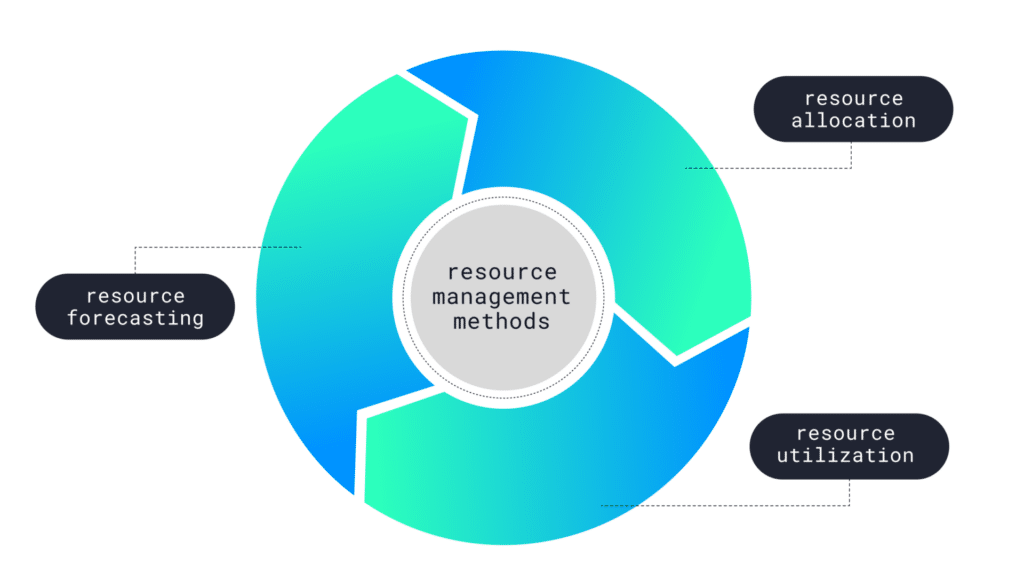
Imagine you’re throwing a dinner party, but instead of knowing exactly who’s coming, you’re guessing based on vague RSVPs like “maybe” or “I’ll try to make it.” You buy too many groceries, and half the food goes uneaten—or worse, you run out of chairs because way more people show up than expected.
Now scale that chaos to a professional services business. That’s capacity planning: the delicate art of aligning your team’s availability with unpredictable client demands. Done right, it keeps projects running smoothly and profits healthy; done wrong, you’re left scrambling for resources or sitting idle, wondering where it all went wrong.
Optimize team performance with Parallax capacity planning software.
What We’ll Cover
- What Is Capacity Planning?
- Why Is Capacity Planning Important?
- Capacity Planning Strategies
- How To Capacity Plan
- Benefits Of Capacity Planning
- Challenges Of Capacity Planning
- How Does Capacity Planning Software Work?
What Is Capacity Planning?
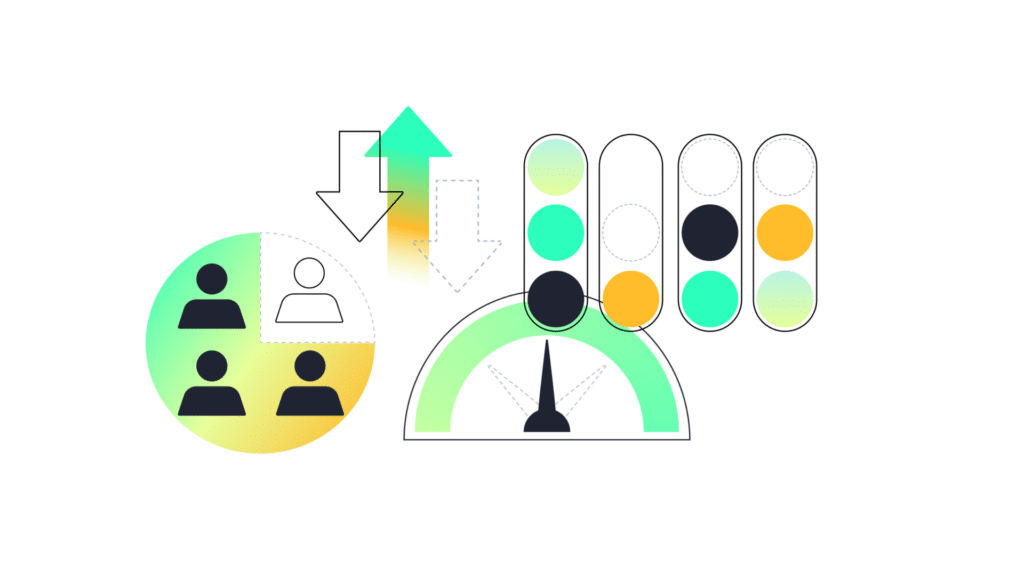
Capacity planning is the process of determining the amount of work an organization can take on with their available resources in a given time period. It takes into account the types of roles, skills, time, and budget projects will need in order to be completed successfully, while considering projects that may already be in delivery or in the pipeline.
The planning helps give decision-makers a clear view of what types of projects can be completed efficiently and cost-effectively while maintaining alignment with the organization’s strategic goals.
Why Is Capacity Planning Important?
Capacity plans help agencies and professional service organizations operate as efficiently as possible, minimizing unexpected roadblocks in delivery and producing quality output for clients.
When done effectively, it supports:
Strategic growth goals: by aligning projects and resources with long term organizational goals and market trends.
Cost management: by guiding resource plans to staff projects effectively, avoiding underutilizing employees or last-minute hiring.
Efficient operations: maintaining the balance between available capacity and upcoming demand, supporting smooth workflows and healthy employee utilization levels.
Learn how strategic capacity planning improves team utilization rates.
Capacity Planning Strategies
Planning strategies can differ based on an organization’s goals and current capacity. Each strategy aims to align resources with demand, however, lead, lag, and match strategies differ when it comes to approaching project forecasting. Let’s break down each strategy and how they work:
Lead Strategy
The lead strategy focuses on planning based on anticipated demand level. Organizations using this strategy adjust capacity ahead of time, ensuring that when demand increases capacity is available to deliver.
The downside of this approach is risking being over capacity, resulting in increased costs and underutilized employees.
Lag Strategy
Unlike the lead strategy, the lag strategy only takes into account current demand. This strategy allows businesses to minimize costs, avoiding the risk of being over capacity by acquiring resources as demand increases.
A sudden increase in demand may cause challenges for organizations who use this strategy. Resources may become overutilized, risking employee burn out, or the business may need to delay projects until capacity has been adjusted.
Match Strategy
The match strategy is a combination of both the lag and lead strategy, planning for current demand as well as forecasting for future demand. The goal of this strategy is to maintain healthy resource utilization by matching capacity to demand as accurately as possible.
To succeed with the match strategy, teams must work diligently to forecast demand and plan capacity accurately. With the right approach, the match strategy is the most cost effective and efficient strategy.
How To Capacity Plan
A well crafted capacity plan involves evaluating your current capacity, forecasting future demand, and strategically allocating resources. With the right approach, capacity planning can help organizations improve the accuracy of resource allocation, prepare for growth, and get ahead of potential roadblocks early.
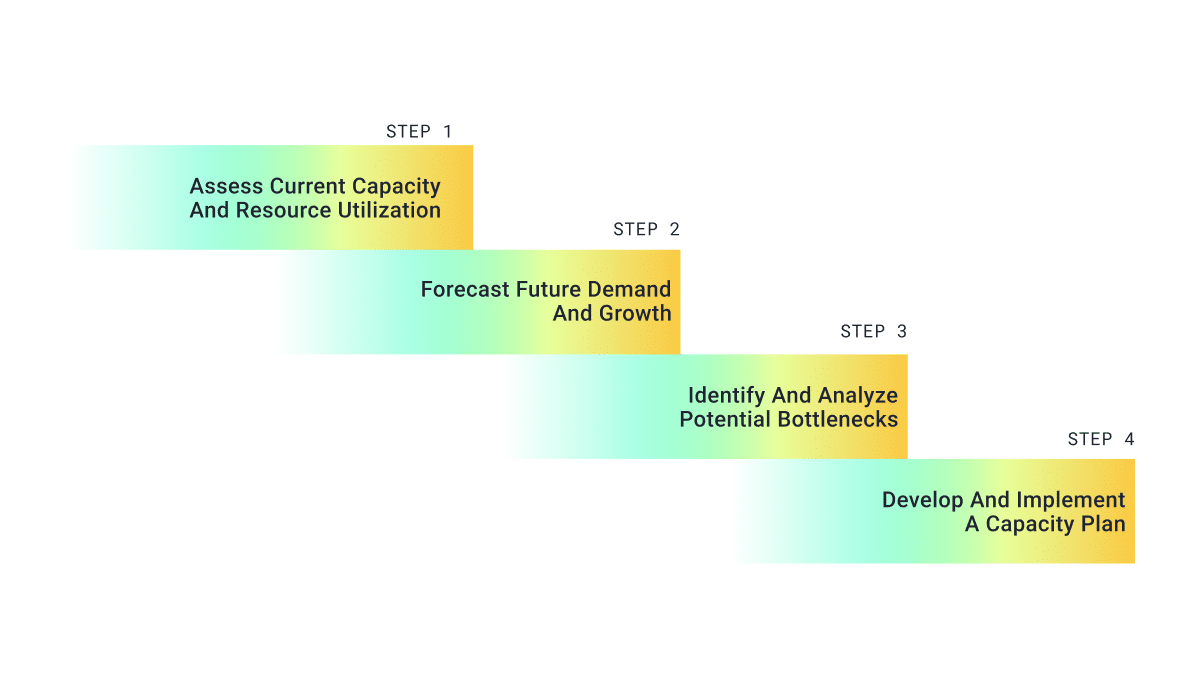
Assess Current Capacity And Resource Utilization
Assessing your current capacity and resource utilization is the first step to creating a successful plan. Tools like time-tracking software and resource management dashboards can provide insight into metrics like resource utilization and forecast variance to help identify gaps or inefficiencies to address. For example, trends that show resources are consistently over-utilized may indicate a capacity shortage.
Forecast Future Demand And Growth
Forecasting future demand helps identify how much capacity you will need to successfully complete upcoming projects. With future demand taken into account, capacity plans help organizations prepare for fluctuations like seasonal dips or spikes in demand by allowing them to increase their workforce, adjust schedules, and allocate resources more efficiently.
Identify And Analyze Potential Bottlenecks
Identifying potential roadblocks within your capacity plans ensure that projects are delivered on time and as efficiently as possible. By anticipating future demand, organizations can be proactive and get ahead of bottlenecks such as resource shortages, overstaffing, or delays that could affect project timelines or quality.
Develop And Implement A Capacity Plan
Now that you know your team’s capacity and requirements of current and forecasted projects, it’s time to use these insights to create your capacity plan.
Team capacity planning consists of aligning resource schedules, skills, and workloads to strategically allocate resources to projects both present and future. Tools like Parallax that help you both forecast capacity and manage resources as well as scenario plan, provide transparency into who is available to be staffed based on their capacity and utilization.
Once you successfully align your capacity plan with your resource plan, regularly monitor its effectiveness and adjust as project or demand changes occur.
Capacity Planning Examples
- Praxent improved the coordination between their sales and delivery teams by using capacity plans to scenario plan for won deals starting in the sales process.
- Raindrop encountered many swings in demand, causing teams to be over capacity. By using a capacity planning tool, they were able to smooth out curves in resource demand and allocate team members based on utilization goals.
- Clear Digital forecasts their capacity and utilization to identify and understand where there may be discrepancies between resource availability and project requirements. As they grew their business, insights from the capacity plan became essential to their operations.
Read more about how Parallax customers capacity plan to improve operations.
Capacity Planning Benefits
Team Transparency
Capacity planning provides clear visibility into workload distribution and resource availability, helping project managers and resource managers create more reliable work plans and delivery scopes. Capacity plans also provide feedback to teams on delivery status and effectiveness of the resource plan, allowing for adjustments and improvements to be made on future forecasts.
Enables Teams To Deliver Projects On Time And Budget
By aligning resources with forecasted project requirements, capacity planning helps teams meet deadlines and stay within budget. This helps to reduce last-minute surprises and account for different scenarios to drive successful project outcomes.
Easier Scalability For Growth
Capacity forecasting and planning also supports strategic hiring initiatives by anticipating resource needs ahead of time. Businesses can more easily scale operations without over utilizing teams using capacity planning as new business increases.
Challenges In Capacity Planning
Capacity planning offers many advantages, but to execute effectively, there are a few tips we recommend to keep forecasts accurate, and avoid challenges:
- Use a capacity planning and resource management tool like Parallax to keep forecasts accurate and resource plans up to date.
- Plan for different scenarios and build flexibility into your plans to adapt to demand changes.
- Integrate your tools to limit inaccuracies and human error in forecast data.
Learn more capacity planning best practices.
How Does Capacity Planning Software Work?
Capacity planning software like Parallax helps teams efficiently create capacity plans and apply the insights to their resource plans.
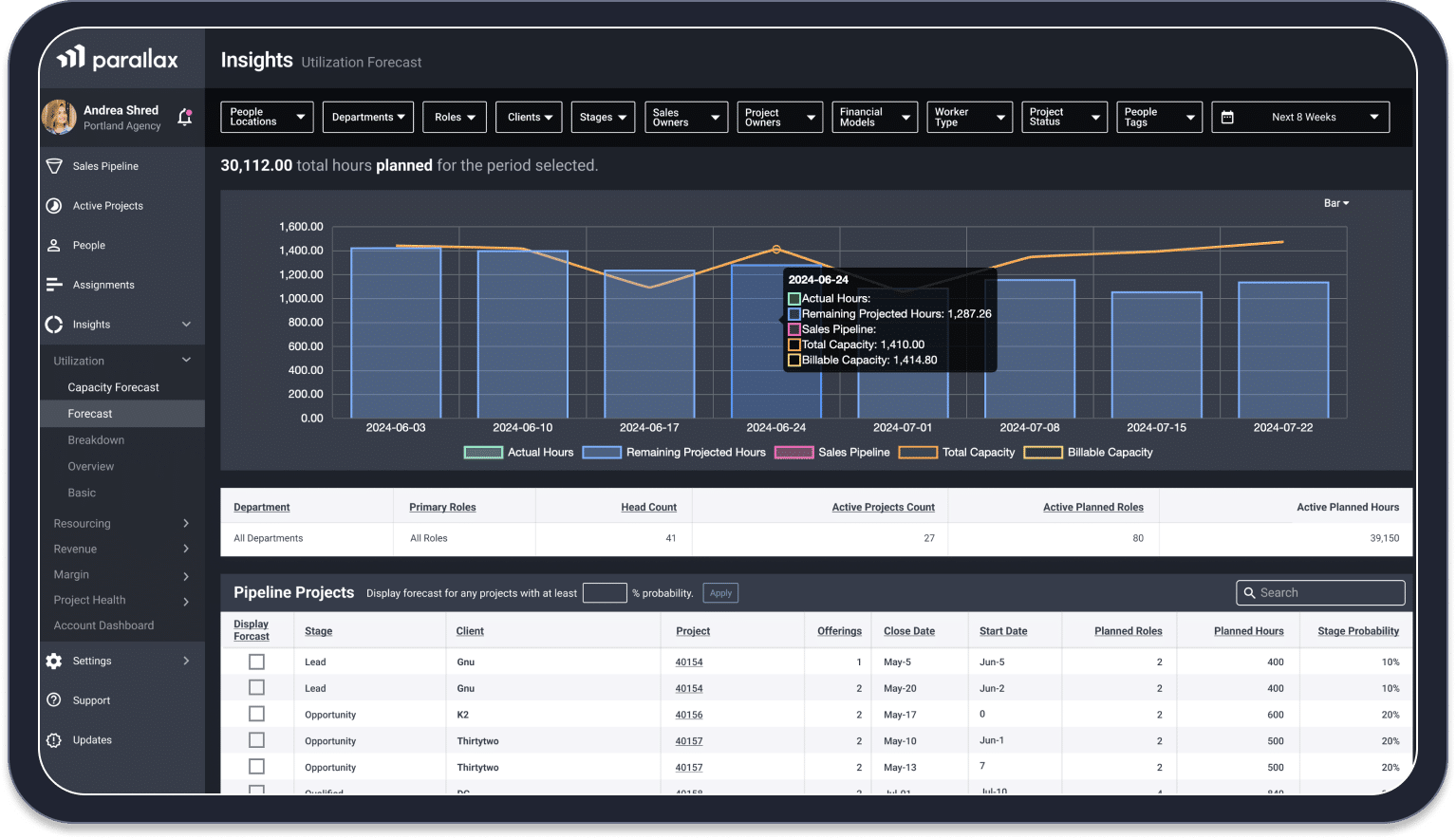
Parallax uses data from other operational software like your CRM (customer relationship management tool) and time tracking software to inform, predict, and summarize operational processes and key performance metrics.
Lets look at a few Parallax features that support effective capacity planning:
- Resource capacity forecasting by hours and full time employees
- Hiring forecasts
- Shaper tool
- Project health and variance reports
- People and projects assignment views
- Utilization reporting and forecasting
See Parallax’s Capacity Planning Software
Creating an effective resource plan is essential to supporting efficient operations and growth within your organization. Forecasting and planning team capacity allows businesses to be proactive to market changes, increase transparency among teams, and maximizes team productivity.
Parallax’s software is designed to help you forecast demand, allocate resources, and reach your strategic business initiatives.
Book a live demo to see how Parallax can help streamline your capacity planning and resource management process.
Frequently Asked Questions
Capacity planning is the process of determining the amount of work an organization can take on with their available resources in a given time period. It takes into account the types of roles, skills, time, and budget projects will need in order to be completed successfully, while considering projects that may already be in delivery or in the pipeline.
Capacity plans help agencies and professional service organizations operate as efficiently as possible, minimizing unexpected roadblocks in delivery and producing quality output for clients.
Capacity planning software like Parallax helps teams efficiently create capacity plans and apply the insights to their resource plans.