
Resource Planning vs Capacity Planning: What’s the Difference?
Resource planning and capacity planning answer different questions. One runs at the firm level, one at the project level. Here's how to use both without building two separate processes.
Resource planning and capacity planning answer different questions. One runs at the firm level, one at the project level. Here's how to use both without building two separate processes.
A planning gap is the space between the decisions an agency must make and what its current systems can actually show. Most agencies have one.
This article is for agency leaders who want accurate time data without turning timesheets into a weekly fight. It lays out a simple Friday and Monday rhythm, clear ownership, and language that makes time tracking feel like protection, not policing.
Resource planning and capacity planning answer different questions. One runs at the firm level, one at the project level. Here's how to use both without building two separate processes.

Agency project profitability is harder to predict than most leaders expect. Here are the structural reasons it stays opaque, and what it takes to get actual visibility.
When teams log hours in payroll or HR systems instead of planning tools, capacity and margin visibility never arrive. Here's what that gap actually costs.

Most agencies measure utilization rate after the fact. This guide covers how to forecast it, what it actually tells you, and how to use it to make hiring and pricing decisions earlier.
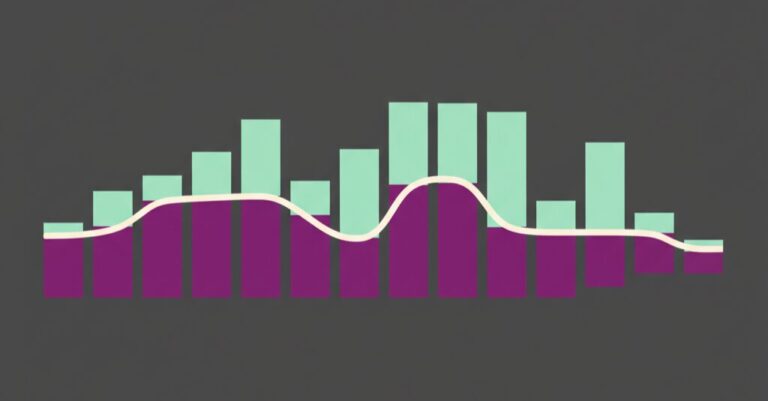
Agency profit margin benchmarks exist, but they rarely tell the full story. Here's what the numbers actually mean, how to interpret them for your firm, and what the planning gap has to do with it.

Prospects are asking whether planning platforms will survive before demos end. Here's how to evaluate vendor longevity without getting burned by switching costs.

The metrics most agency owners track tell a clean story about revenue and utilization and miss almost everything that determines whether the business is still standing in two years.
A planning gap is the space between the decisions an agency must make and what its current systems can actually show. Most agencies have one.

Join us for a candid conversation on how one agency’s $100K mistake reveals what most leaders are missing.